Week 3
February 28 - March 4, 2023
Day 1
* Hand tool is a device for performing work on a material or a physical system using hands only.
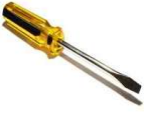
Flat-head screwdriver
Used to loosen or tighten slotted screws.
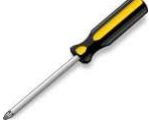
Philips-head screwdriver
Used to loosen or tighten crosshead screws.
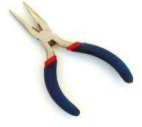
Needle-nose plier
Used to hold small parts.
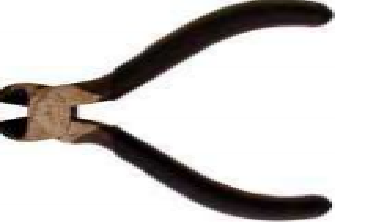
Wire cutter
Used to strip and cut wires.
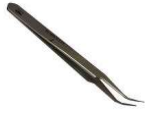
Tweezers
Used to manipulate small parts.
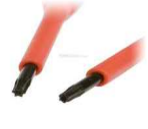
Torx screwdriver
Used to loosen or tighten screws that have a star-like depression on the top, a feature that is mainly found on a laptop.
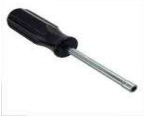
Hex driver
Sometimes called a nut driver, is used to tighten nuts in the same way that a screwdriver tightens screws.
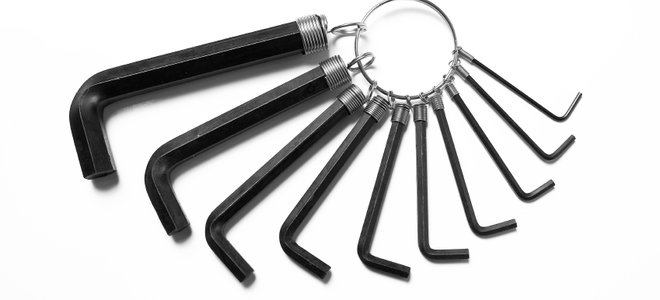
Hex key or Allen wrench key
A simple tool used to drive bolts and screws with hexagonal sockets in their heads.
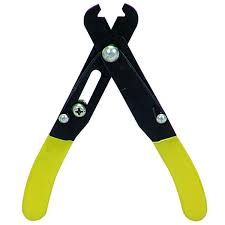
Wire stripper
A portable handheld tool used by workers, especially electricians, for removing the protective coating of an electric wire or cable.
Part retriever
Used to retrieve parts from a location that are too small for your hand to fit.
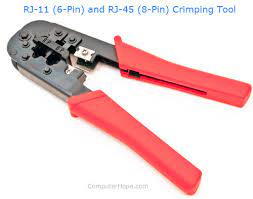
Crimping tool
A device used to conjoin two pieces of metal by deforming one or both of them to hold each other. The result of the tool's work is called a crimp. An example of crimping is affixing a connector to the end of a cable.
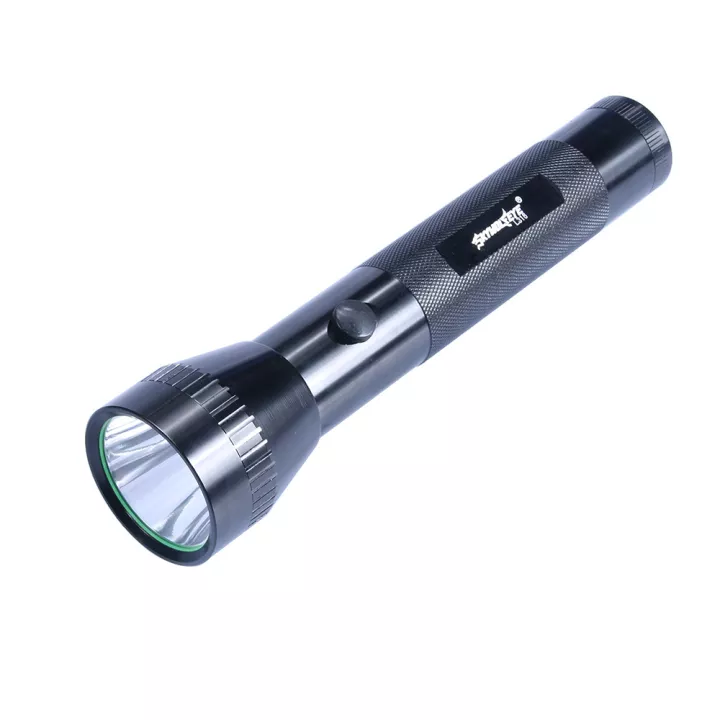
Flashlight
Used to light up areas that you cannot see well.
* The friction of moving air alone will charge suspended particles and cause the buildup of static electrical charges on people and objects in the environment.
* ESD is the release of static electricity when two objects come into contact.
* ESD is a sudden and momentary flow of electric current between two electrically charged objects caused by contact.
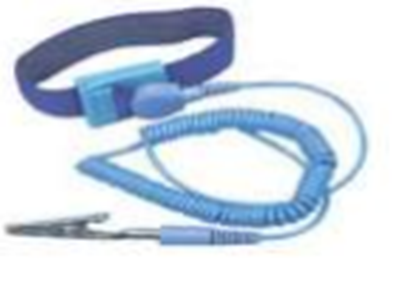
Antistatic Wrist strap
An antistatic device used to safely ground a person working on very sensitive electronic equipment, to prevent the buildup of static electricity on their body, which can result in ESD.
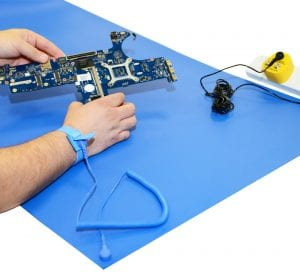
Antistatic Mat
Used to stand on or place hardware on to prevent static electricity from building up.
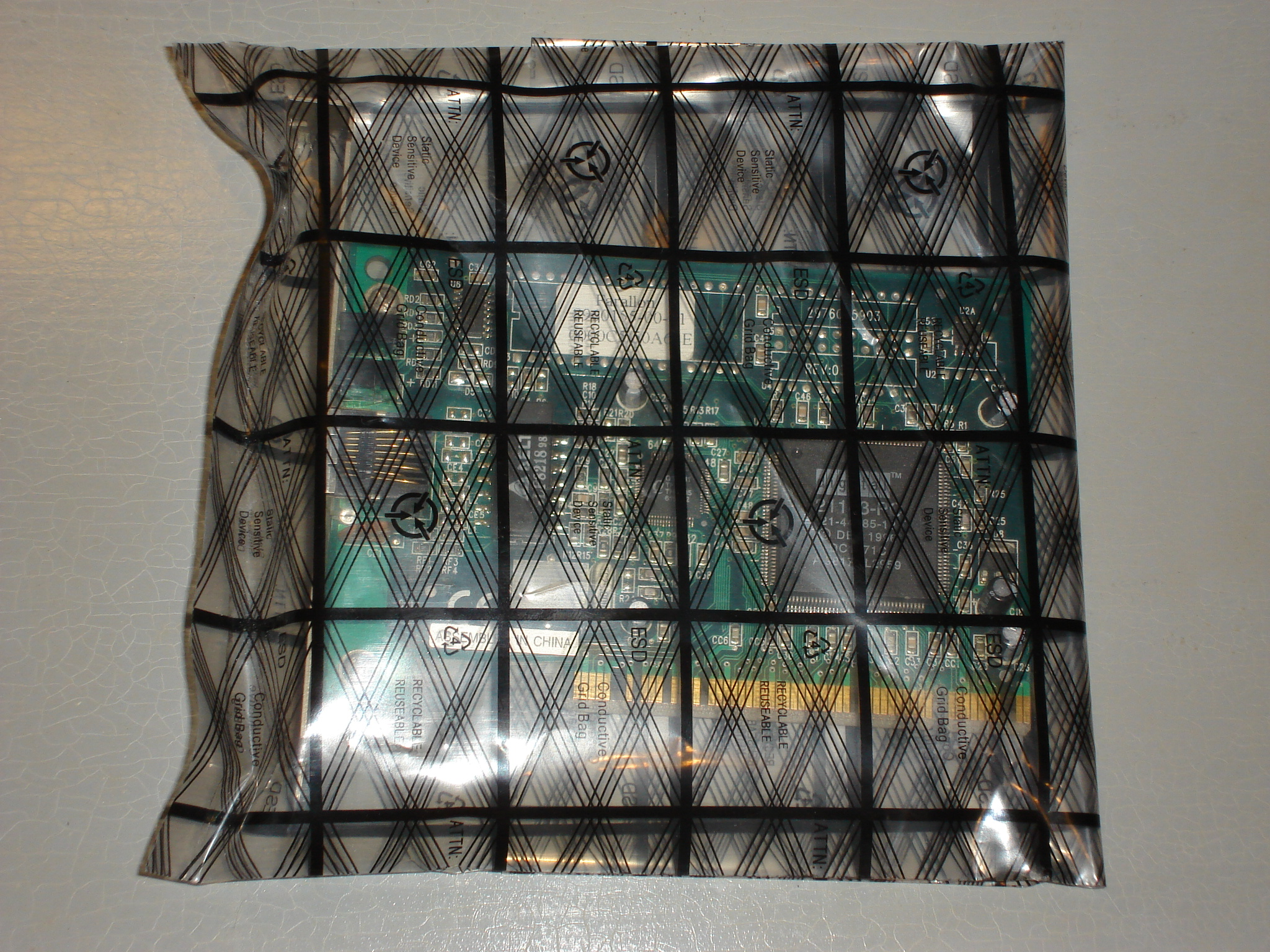
Antistatic Bag
Used for storing electronic components, which are prone to damage caused by electrostatic discharge (ESD).
Day 2
Lint-free Cloth
Used to clean different computer components without scratching or leaving debris.
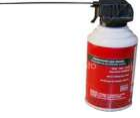
Compressed air
Used to blow away dust and debris from different computer parts without touching the components.
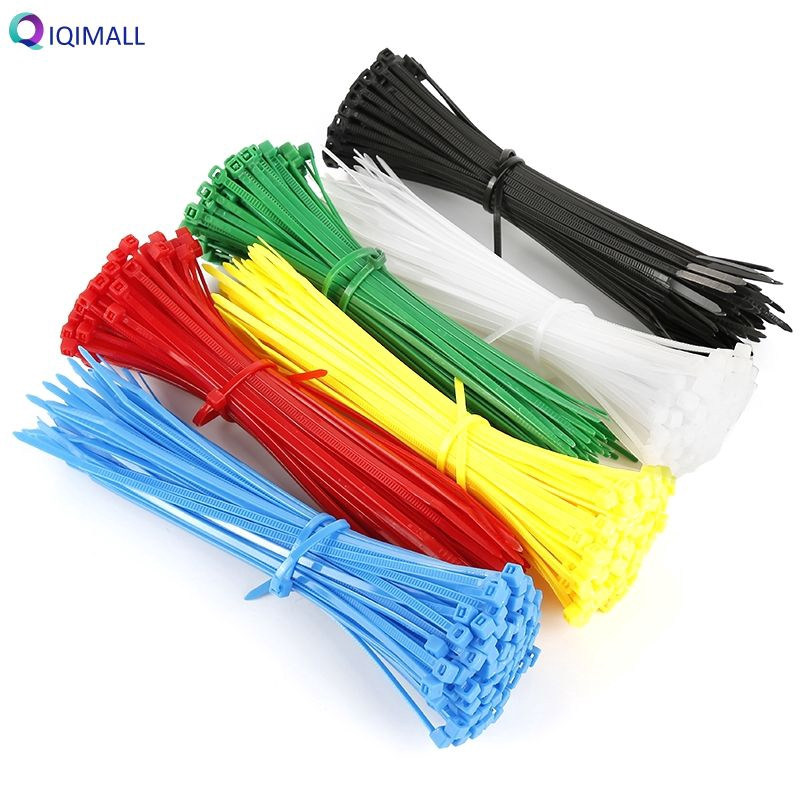
Cable ties / Zip ties
Used to bundle cables neatly inside and outside of a computer.
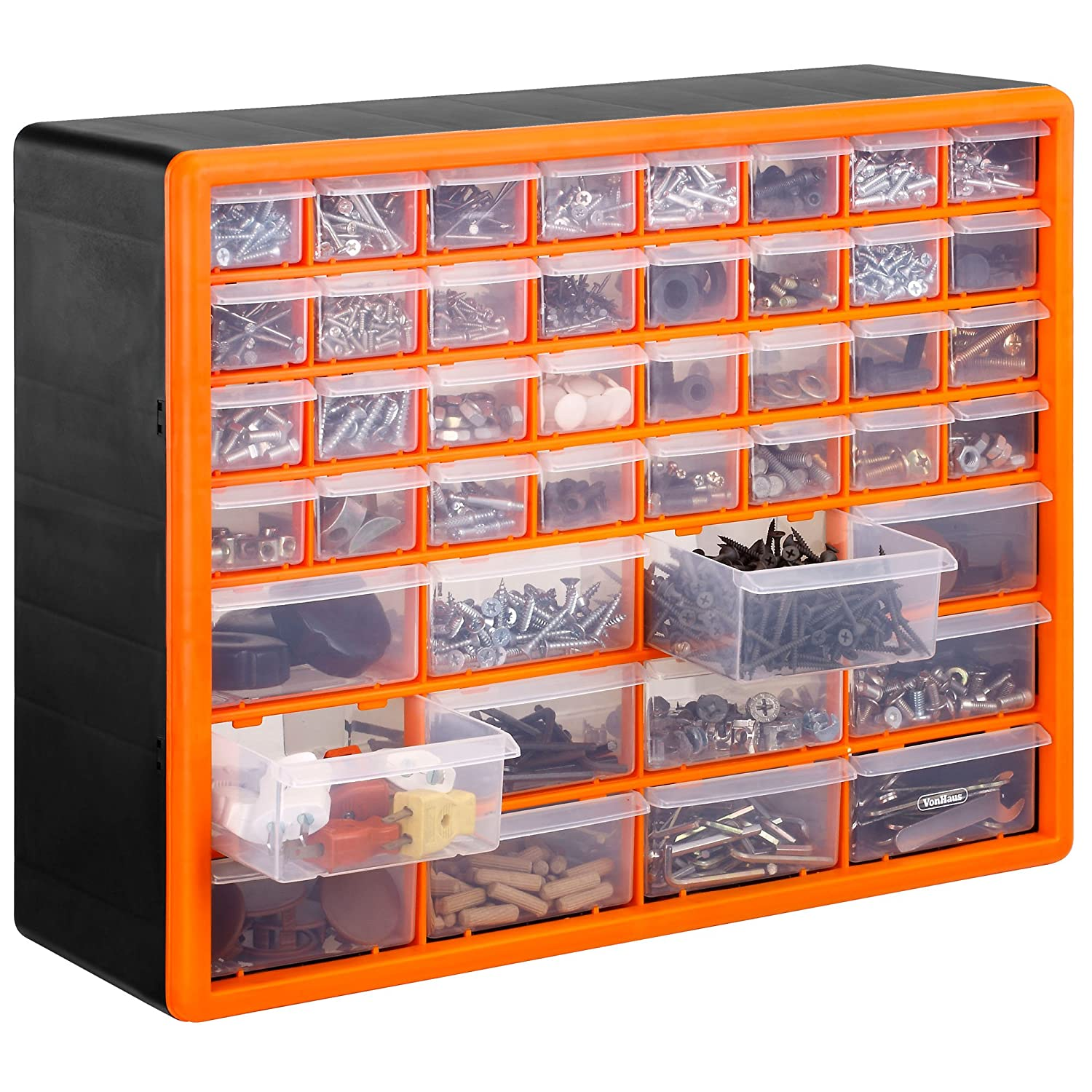
Parts organizer
Used to hold screw, jumpers, fasteners and other small parts and prevents them from mixing together.
* Tools to help you diagnose and solve hardware-related problems.
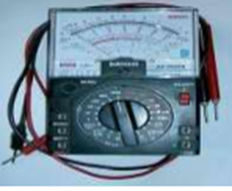
Multimeter
Used to test the integrity of circuits and the quality of electricity in computer components.
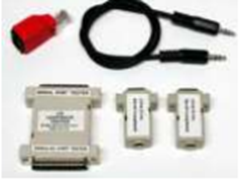
Loopback Adapter
Used to test the functionality of computer ports.
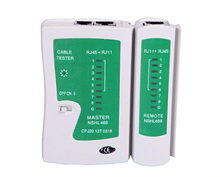
LAN Tester
A LAN Tester is mainly used for testing Ethernet cables for faults or missing pair connections.
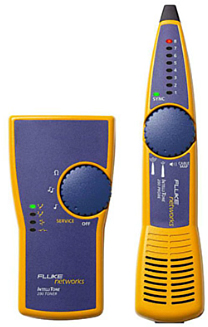
Toner probe